

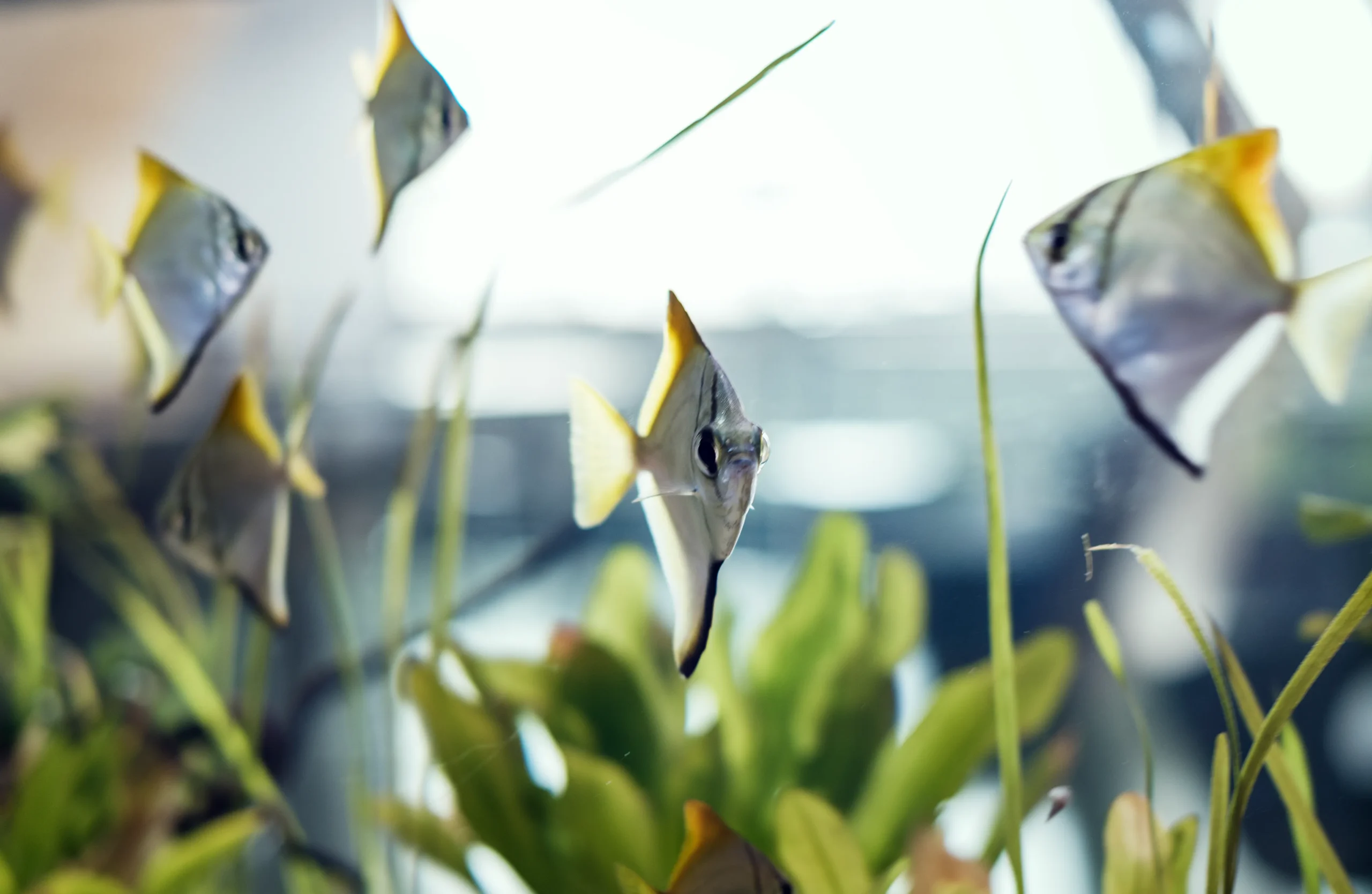
Effective nutrition is very essential to healthy aquarium fish. Proper feeding of fish with the right kind of food and a balanced diet guarantees that they grow well, exhibit colorful colors and also continue to move around in their habitat.
Aquarium fishes feed on commercially prepared aquarium food including flakes, pellets or granules. These foods are meant to contain balanced nutrition of proteins, vitamins and minerals that will promote health of the fish.
The dietary needs of different species of fish might be different. Other fish are herbivores and are happy with food of a vegetable character, like wafers of algae or vegetable material. Others are carnivores and demand protein-intensive food such as small insects or frozen shrimp.
Aquarium fish should not be over fed. Unconsumed food may decompose in the water and cause toxic wastes. Most aquarium fish do not require much food and thus, it is only necessary to feed them once or twice a day.
Monitoring the health of fish kept in an aquarium can be done by observing them when they are being fed. Healthy fish tend to be active and to compete on food. Weakness, loss of appetite, or unusual behavior of the fish may be indicative of a health problem or a problem with the quality of the water.
Another critical aspect to the health of fish is keeping the water clean. Frequent replacement of water is beneficial to get rid of the waste and keep the water parameters in place. Aquarium keepers change approximately 10-20 percent of the water in the aquarium weekly.
Aquarium filters systems also aid in maintaining cleanliness of water by eliminating debris and promoting the good bacteria that decompose the harmful ones.
Fish can be kept in aquarium environments through provision of a balanced diet and clean environment. Fishes of good health are bright colored, active in swimming and show natural behaviours.